

Who Must Save Crash Evidence After a McLean Collision?
Key Takeaways: In Virginia, the other driver generally has to start saving crash evidence once they know, or reasonably should know, that a claim or lawsuit is likely. The crash alone is not enough. A police report, an insurance claim, or a preservation letter may make a lawsuit reasonably foreseeable. Va. Code § 8.01-379.2:1 lets courts address the loss of electronic data that should have been saved, such as dashcam video, phone data, and event data recorder downloads. Crash reports generally cannot be used as evidence at trial, so independent evidence matters more. Under Va. Code § 8.01-417(C), you can also ask the insurer in writing for the driver’s address and, in some cases, the policy limits before you file suit. If evidence is destroyed, Virginia courts usually address it inside the injury case, not a separate lawsuit. Most injury claims must be filed within two years, so acting early helps keep key evidence from disappearing.
In Virginia, the other driver generally has to start saving crash evidence once they know, or reasonably should know, that a claim or lawsuit is likely. The crash alone generally does not create that duty. A police report, an insurance claim, or a written request from the injured person or their attorney may make a lawsuit reasonably foreseeable. Dashcam footage, phone data, and vehicle data can disappear within days, so many injured people send a preservation letter early. That letter puts the at-fault driver on formal notice and may make it harder for them to claim later that they "didn’t know."
If you were hurt in a crash in McLean, Tysons, or anywhere in Fairfax County, Tysons Trial Law, PLLC can help you act before key evidence is lost. Call (703) 888-5535 or contact us now to talk about your next steps.
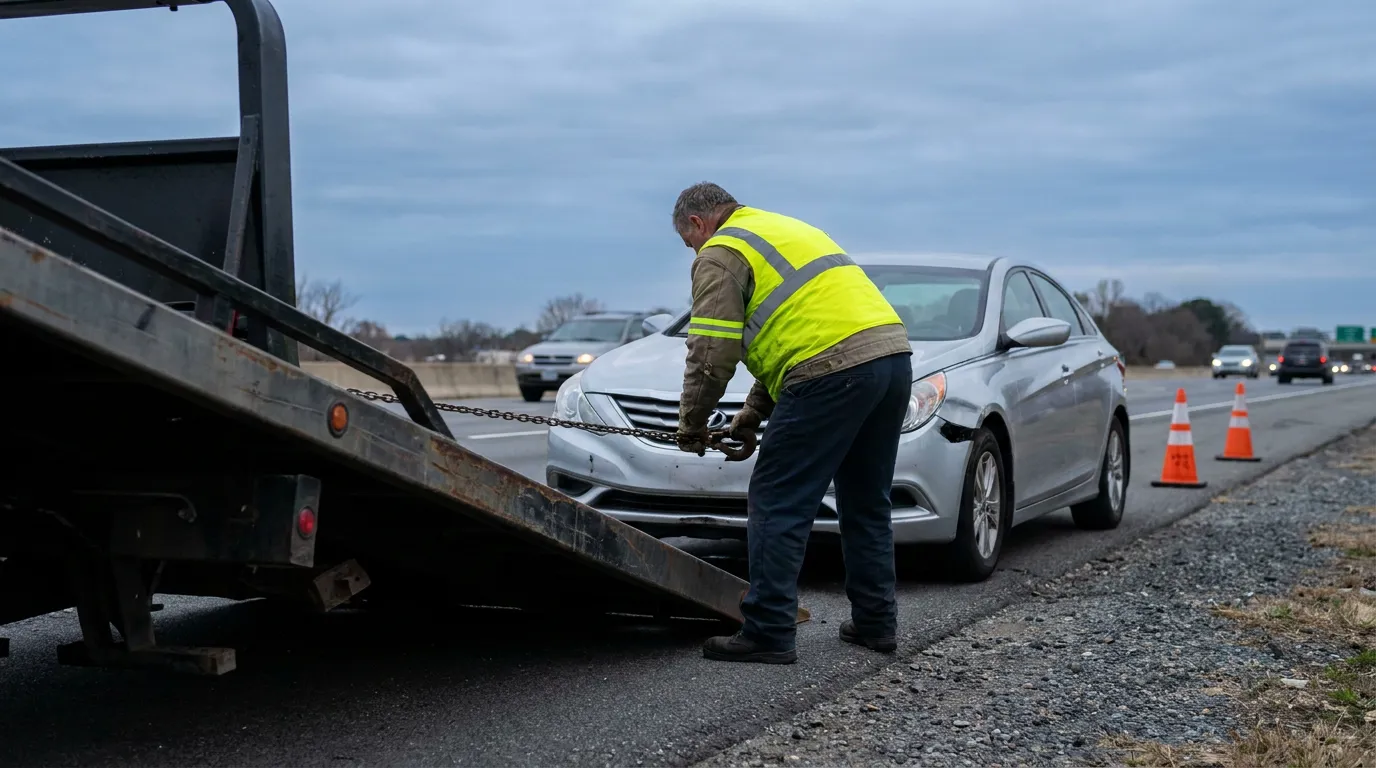
When the Duty to Preserve Evidence Begins in Virginia
In Virginia, the duty to preserve evidence usually starts when a lawsuit becomes reasonably foreseeable. This is the point when a party knows, or reasonably should know, that a lawsuit is likely. The exact moment depends on the facts, and courts may look at what the at-fault driver and their insurer knew at each stage.
Formal Notice Versus Foreseeable Circumstances
The duty can begin through a formal request or through the circumstances. A preservation letter from the injured person or their attorney is often the clearest formal notice. A police report or an insurance claim filed after the crash may also show the other driver that a lawsuit is reasonably foreseeable. Even so, a written letter removes much of the doubt about when the duty started.
The Statutory Standard for Electronic Evidence
Virginia also has a statute for digital evidence. Under Va. Code § 8.01-379.2:1(A), courts may act when a party fails to take reasonable steps to preserve electronically stored information "that should have been preserved in the anticipation or conduct of litigation." Because that language covers anticipation, the duty can arise before anyone files a lawsuit. In a car crash, this information may include event data recorder downloads, dashcam video, and phone data. Someone other than the driver may control some of it, such as carrier phone records or third-party telematics, and getting it may take a subpoena. You can read more about who owns your car’s black box data under Virginia law.
Why a Preservation Letter Matters So Much
A preservation letter names the evidence the other side should keep and can make the duty harder to deny. These letters often list the at-fault vehicle, dashcam files, cell phone records, and any telematics data. Vehicles are often repaired or sold for salvage within weeks of a crash. Once a car is crushed, its damage patterns and onboard data may be gone for good.
The police report generally cannot carry your case, so other evidence matters more. Under Va. Code § 46.2-379, crash reports by investigating officers are for confidential use by the DMV and other state agencies. The statute says they "shall not be used as evidence in any trial, civil or criminal, arising out of any accident." An officer may still be able to testify about what they personally saw, but the report itself generally is not admissible.
The DMV may still help you work out whom to contact. Under Virginia law, the DMV may release basic facts from the report to people with a proper interest, such as the date, time, and place of the crash, and the names and addresses of the drivers, vehicle owners, injured people, witnesses, and one investigating officer. That can help you decide who should get a letter and which witnesses to reach while their memories are fresh.
💡 Pro Tip: If the vehicle’s owner is not the driver, such as a parent, an employer, or a rental company, send preservation requests to the owner too. The owner may control the car and its data.
What Evidence to Request and How to Get Insurance Information
A strong preservation request usually covers both physical and electronic crash evidence. Common items include:
- The at-fault vehicle itself, unrepaired, including its event data recorder
- Dashcam, doorbell camera, or fleet camera footage
- Cell phone records showing calls, texts, or app use around the time of the crash
- Telematics or GPS data from insurers, employers, or rideshare companies
- Photos, repair estimates, and maintenance records
Requesting Policy Limits Under Va. Code § 8.01-417(C)
Virginia lets you ask the at-fault driver’s insurer for key information before you file suit. Under Virginia’s pre-suit disclosure statute, Va. Code § 8.01-417(C), you or your attorney can ask the insurer in writing for the policy limits and the driver’s physical address. This request often goes out with the preservation letter.
The insurer’s deadlines depend on certain conditions. The insurer generally must give the driver’s physical address within 30 days. It must disclose policy limits within 30 days only if the medical bills and lost wages you have sent total at least $12,500, or if the driver was charged with certain offenses from the same crash, such as DUI under Va. Code § 18.2-266. Disclosing the limits does not admit that the policy covers the claim, and the information generally cannot be used as evidence at trial.
What Happens If the Other Driver Destroys Evidence?
Virginia handles destroyed evidence (called spoliation) mainly inside the injury case, not through a separate lawsuit. Virginia courts have declined to recognize a separate tort for spoliation in the cases they have considered. Instead, you would ask the court to address the loss in your injury case.
Remedies Courts May Order
Courts decide how to respond, and the result depends on the facts. Under Va. Code § 8.01-379.2:1(B)(i)-(ii), if a party failed to take reasonable steps to preserve electronic data and it cannot be restored or replaced, the court may, after finding prejudice to the other side, order measures "no greater than necessary to cure the prejudice." Only if the court finds the party acted recklessly or with intent to deprive the other side of the data’s use in the litigation may it presume the data was unfavorable, instruct the jury that it may or must presume the data was unfavorable, or, in serious cases, dismiss the case or enter a default judgment. This statute applies statewide in Virginia, including in McLean. For physical evidence, courts may also exclude evidence or impose other sanctions. None of these remedies is guaranteed.
| Situation | Possible Court Response |
|---|---|
| Evidence lost because a party failed to take reasonable steps, harming the other side | Measures no greater than needed to cure the harm |
| Evidence destroyed recklessly or on purpose to deprive the other side | Presumption the evidence was unfavorable, a jury instruction to that effect, or in serious cases dismissal or default judgment |
| Other destruction of evidence | Exclusion of evidence or other sanctions |
Filing Deadlines and Why Waiting Hurts Evidence Preservation
Most Virginia car accident injury claims must be filed within two years. Under Virginia’s two-year injury deadline, Va. Code § 8.01-243(A), a personal injury action "whatever the theory of recovery" generally must be brought within two years after the claim arises. Exceptions are few, such as pausing the deadline for minors or people who are legally incapacitated. Wrongful death claims have their own two-year rule, counted from the date of death. Because evidence can disappear well before you file, saving it early matters.
Property damage claims have a different deadline. Under Va. Code § 8.01-243(B), claims for damage to property, such as a vehicle, generally must be brought within five years. This longer period does not extend the two-year deadline for injury claims.
💡 Pro Tip: Keep your own vehicle in its post-crash condition until your evidence has been recorded. Your car may hold data and damage patterns that support your account of the crash.
Frequently Asked Questions
1. Does the other driver have to save evidence right after the crash?
Not automatically. The duty generally arises when a lawsuit is reasonably foreseeable. Depending on the facts, a police report, an insurance claim, or a preservation letter may trigger it.
2. Can I send a preservation letter without a lawyer?
Yes. A lawyer can often find evidence sources you may not know about, such as telematics or employer fleet data, and word the request precisely.
3. Can I use the police report in court?
Generally, no. Va. Code § 46.2-379 says crash reports cannot be used as evidence in any civil or criminal trial arising from the crash. The investigating officer may still be able to testify about what they personally saw.
4. Can I sue the other driver for destroying evidence?
Virginia courts have generally not recognized a separate claim for destroying evidence. Remedies usually come within your injury case.
5. Will the insurer tell me the policy limits?
Under Va. Code § 8.01-417(C), the insurer generally must disclose the limits within 30 days if the medical bills and lost wages you have sent total at least $12,500, or if the driver was charged with certain offenses from the same crash, such as DUI.
Protecting Your Claim Before Evidence Disappears
Under Virginia law, the other driver’s duty to save evidence generally depends on whether a lawsuit was foreseeable, and a preservation letter may be one of the clearest ways to establish that duty. Police reports generally cannot be used at trial, courts decide how to handle destroyed evidence, and injury claims generally must be filed within two years. Acting early can make a real difference.
A McLean car accident attorney can help you figure out which evidence matters most in your case. Tysons Trial Law, PLLC works with injured people throughout McLean and Fairfax County. Call (703) 888-5535 or schedule your consultation today.
Disclaimer: This content is for informational purposes only and is not legal advice. Every case is unique, and results may vary. Consult an attorney about your specific circumstances.