

Understanding the Crash Report Behind Your Virginia Injury Claim
Key Takeaways: A Virginia FR300P crash report is the official police form that records a motor vehicle crash, and insurers and lawyers often rely on it early in an injury claim. Under Va. Code § 46.2-373, officers who investigate crashes involving injury, death, or apparent property damage of $3,000 or more must send a report to the DMV. Only certain people can get a copy, including those involved or injured, their lawyers, vehicle owners, insurers, and certain family members, and the DMV must keep reports and officer photos of nonfatal crashes for at least 36 months. A report can shape how an insurer first views your claim, but it does not settle fault, may contain errors, and generally cannot be used as evidence at a Virginia civil trial. Because Virginia generally allows only two years to file a personal injury lawsuit, getting your report early may help protect your right to seek compensation.
A Virginia FR300P crash report is the official police form that records a motor vehicle crash, and it is often one of the first pieces of evidence in a car accident injury claim. When police respond to a crash in McLean or anywhere else in the county, officers record the location, date, people and vehicles involved, insurance information, and other details on this standard form. Insurance adjusters and lawyers use it to judge what happened and who may be to blame, although Virginia courts generally do not allow the report into evidence at a civil trial.
If you or a loved one was hurt in a crash, you do not have to deal with the report and the insurance process alone. Tysons Trial Law, PLLC helps injured people in McLean, Tysons, and throughout Fairfax County review their crash reports and build strong claims. Call (703) 888-5535 or contact us now to talk about your situation.
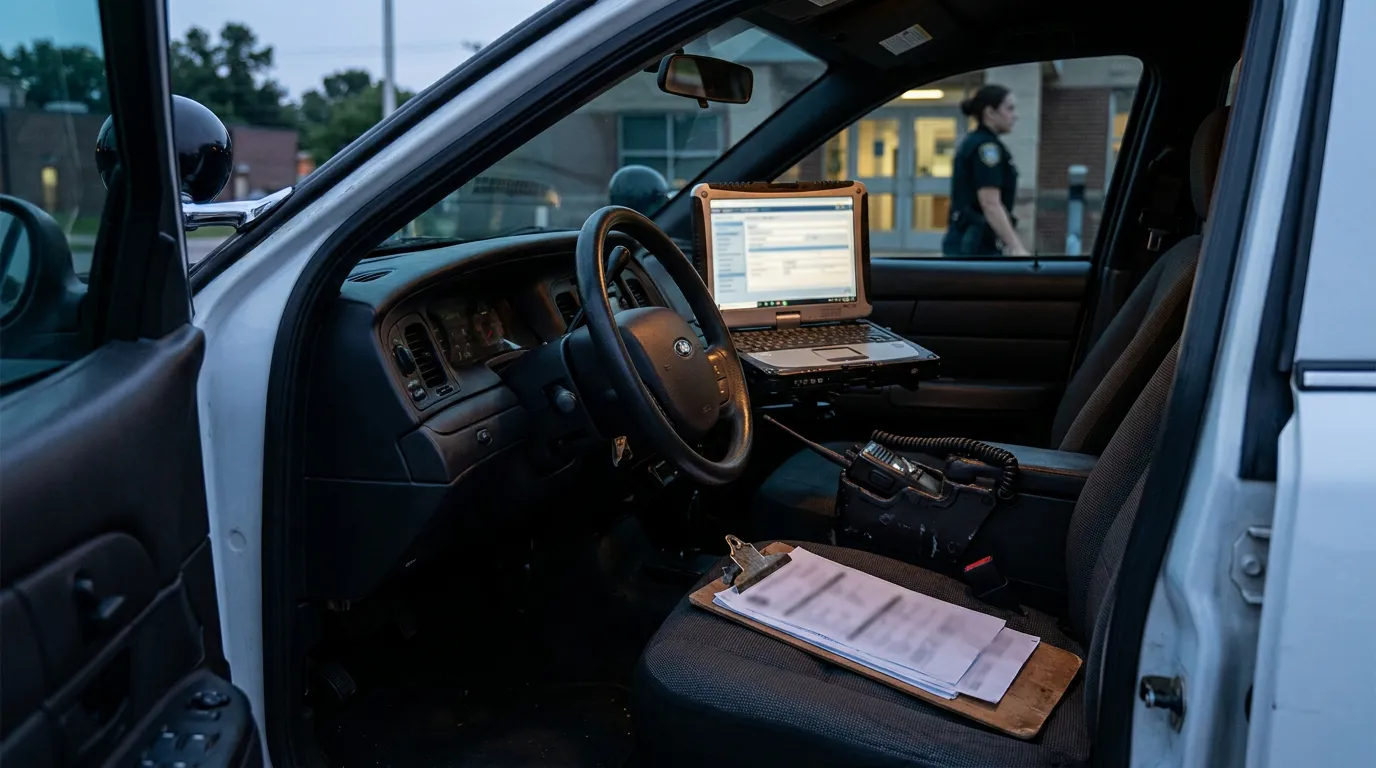
FR300P Explained: What Virginia Law Requires Officers to Record
Virginia law sets out when an officer must write a crash report and what it must include. Under Va. Code § 46.2-373(A), an officer who investigates a crash that causes injury, death, or apparent total property damage of $3,000 or more must send a written report to the Department of Motor Vehicles (DMV) within 24 hours after finishing the investigation. This Virginia officer reporting statute is the legal basis for the crash reports drivers request after a crash.
Required Details That Matter for Your Claim
The law requires several details in the report, and many bear directly on fault and recovery. Va. Code § 46.2-373 requires the report to include:
- The name of the insurance carrier or agent for the auto liability policy on each vehicle involved
- The speed of each vehicle, as found or estimated by the officer
- The types of vehicles involved in crashes between passenger vehicles and vehicles used to haul property
- Whether any trucks involved were covered or uncovered
The insurance information alone can save you time at the start of a claim. Because the report must name the liability carrier for every vehicle, it is often one of the first places you can find the other driver’s insurer. Still, check this information, because it may be incomplete or out of date.
Report Codes and Why They Can Be Confusing
Much of the FR300P uses numbered fields and codes instead of plain-language description. Officers use codes to describe road conditions, vehicle types, and causes, and a misread code can give you the wrong idea about what the officer wrote.
💡 Pro Tip: Read the officer’s written narrative and diagram alongside the coded fields. If they seem to tell different stories, note the conflict and raise it with your lawyer before you speak with an insurance adjuster.
How to Get Fairfax County Police Accident Reports in Virginia
Your right to see a crash report depends on your connection to the crash. Under Va. Code § 46.2-380(A), only a limited group of people, not the general public, may inspect crash reports made to the DMV. That group includes:
- Any person involved or injured in the crash, and that person’s lawyer
- Owners of vehicles or property involved, authorized representatives of insurers that reasonably expect civil liability, and the Federal Motor Carrier Safety Administration
- The personal representative, next of kin, or parent or guardian of a person who was injured or killed
The DMV must give a copy to an authorized person who asks in writing. The Virginia crash report access law states that the Commissioner shall provide a copy at the requester’s expense and may charge a reasonable fee. Local agencies may have their own release steps for Fairfax County police accident reports, so the process can vary.
Some police departments use online portals to release reports. Va. Code § 46.2-373(A) lets police agencies hire outside vendors to send reports electronically and handle copies for authorized people, which is why you may be sent to an outside website.
How Long Crash Reports and Photos Are Kept
Virginia law requires these records to be kept for a set time, but not forever. The table below sums up the rules under Va. Code § 46.2-380.
| Record Type | How Long It Must Be Kept | Statute |
|---|---|---|
| Crash reports under §§ 46.2-372, 46.2-373, 46.2-375, or 46.2-377 | At least 36 months from the crash date | Va. Code § 46.2-380(A) |
| Officer photographs of nonfatal crashes | At least 36 months from the crash date | Va. Code § 46.2-380(B) |
Officer photos can be valuable evidence, so ask about them early. Pictures of vehicle damage, debris, and road conditions may show details missing from the written report. Officers do not photograph every crash, and these periods are minimums, so requesting both early helps make sure the evidence is still there.
What Drivers Must Do at the Scene
Virginia law requires drivers in certain crashes to stop and share their information. Under Va. Code § 46.2-894, the driver of any vehicle in a crash where a person is killed or injured, or where attended property is damaged, must stop right away as close to the scene as possible without blocking traffic. The driver must give his or her name, address, driver’s license number, and vehicle registration number to police, the injured person, or the property owner, and must give reasonable help to anyone injured.
A driver who flees may face criminal penalties, and the crash report may note it. Va. Code § 46.2-894 makes failing to stop and report a felony when injury or death results, or when property damage exceeds $1,000, and a misdemeanor in other cases. Hit-and-run conduct recorded by police may help show fault in a later injury claim, although the criminal case and civil claim are separate. For practical steps at the scene, see our guide on what to do after a car accident.
How a Police Report Can Shape Your Injury Claim
A crash report can strongly affect how an insurer first views your claim, but it does not settle fault. Adjusters often rely on the report to decide whether to accept fault, make an offer, or deny the claim. A report that notes the other driver’s speed, a traffic violation, or a failure to stop may support your side. A report with errors or missing facts can make a claim much harder, especially because Virginia follows contributory negligence, which can bar recovery if you are found even slightly at fault.
Where Police Reports Fall Short
Officers often arrive after the crash and may base their findings on brief talks at a hectic scene. Injured people sometimes leave in an ambulance before giving a full statement, so their side may be missing. Also, Virginia law generally bars police crash reports as evidence at a civil trial, and an officer’s opinion about fault is usually not allowed either, so a strong claim depends on other evidence such as witness testimony, medical records, photos, and video.
If you find a factual mistake in your report, you may be able to ask the agency to review it. Agencies are usually more willing to fix plain errors, such as a wrong license plate or insurer name, than to change an officer’s observations or opinions. In some cases, the agency may add a supplemental statement instead.
💡 Pro Tip: Keep a written timeline of your symptoms, medical visits, and missed workdays starting the day of the crash. The police report records the crash, but it says little about how your injuries affect your daily life.
Deadlines That Can Affect Your Claim
Virginia generally gives injured people two years to file a personal injury lawsuit. Under Va. Code § 8.01-243(A), unless another statute says otherwise, every personal injury lawsuit must be filed within two years after the claim arises, which in a car crash case is generally the date of the injury. If you miss this deadline, you may lose your right to recover damages.
Some exceptions exist, but they are narrow. For example, the deadline may pause in limited cases if the injured person is a minor or legally incapacitated. Claims against government bodies may require written notice, often within six months to one year. Because the DMV only has to keep reports for at least 36 months, getting your report early makes sense.
Frequently Asked Questions
1. Is the FR300P the same as a police accident report?
Yes, in most cases. The FR300P is the standard form Virginia police agencies use to record crashes.
2. Does every crash require a police report?
No. Under Va. Code § 46.2-373(A), an officer who investigates a crash must send a report when it involves injury, death, or apparent property damage of $3,000 or more. Smaller or uninvestigated crashes may not produce an FR300P.
3. Can my family member get the report if I was seriously injured?
Generally, yes. Va. Code § 46.2-380(A) allows the personal representative, next of kin, or parent or guardian of an injured or killed person to inspect the report.
4. What if the report says I caused the crash?
A bad report does not necessarily end your claim. The officer’s opinion is generally not allowed at a civil trial, and a lawyer may be able to find witnesses, video, or physical evidence that tells a fuller story.
5. How long do I have to request my report?
The DMV must keep crash reports for at least 36 months under Va. Code § 46.2-380(A). Requesting your report soon after the crash is safer, especially given the two-year lawsuit deadline.
Turning Your Crash Report Into a Stronger Claim
Your FR300P crash report is an important starting point, but a successful injury claim usually needs much more. Fairfax County police accident reports can name insurers, record vehicle speeds, and note what officers saw, but they can also contain errors and are generally not allowed at trial. Reading your report carefully, requesting photos, and acting well before deadlines may help you protect your ability to seek full compensation. A McLean car accident lawyer can help you understand how your report fits into the rest of your case.
If you have questions about your crash report or your injury claim, reach out today. Tysons Trial Law, PLLC represents injured people and families throughout McLean and Fairfax County. Call (703) 888-5535 or schedule your consultation to learn about your options.
Disclaimer: This content is for informational purposes only and is not legal advice. Every case is unique, and results may vary. Consult a lawyer about your specific circumstances.