
Being in a car accident is stressful enough. When the other driver flees the scene, it adds a layer of injustice and uncertainty to an already difficult situation. You may be left with serious injuries and a damaged vehicle, wondering who will be held responsible. The answer often lies with your own auto insurance policy, specifically through Uninsured Motorist coverage.
Even when the at-fault driver is nowhere to be found, there are pathways to securing the financial recovery you need to heal and move forward. Understanding these options can help you regain a sense of control.
Key Takeaways about Who Pays for Hit-and-Run Damages and Injuries
- A person’s own Uninsured Motorist (UM) coverage is typically the primary source of compensation after a hit-and-run accident in Virginia.
- Virginia law requires all auto insurance policies to include UM coverage unless it is specifically rejected in writing.
- Even if the driver who fled is never identified, an injured person can still seek payment for medical bills, lost income, and pain and suffering.
- Other resources, such as Medical Payments (MedPay) coverage or personal health insurance, may also be used to cover initial medical costs.
Your Primary Resource: Uninsured Motorist (UM) Coverage
In a typical car accident, you would file a claim against the at-fault driver’s liability insurance. In a hit-and-run, that driver is unknown, or a “phantom.” This is where your own insurance policy can provide critical support through a type of coverage called Uninsured Motorist (UM) coverage.
In simple terms, UM coverage is designed to protect you when you are injured by a driver who has no insurance or cannot be identified, as is the case in a hit-and-run. In Virginia, every auto insurance policy issued in the state must include UM coverage. When you use this coverage, you are not suing your own insurance company; instead, your insurer steps into the shoes of the phantom driver’s insurance company, which does not exist.
Your UM coverage can help pay for a variety of losses, including:
- Medical Bills: This covers costs for emergency care, hospital stays, surgery, physical therapy, and future medical needs related to the accident.
- Lost Wages: If your injuries prevent you from working, UM coverage can compensate you for the income you have lost and may lose in the future.
- Pain and Suffering: This compensates you for the physical pain and emotional distress caused by the accident and your injuries.
Filing a UM claim allows you to seek compensation without having to wait for law enforcement to identify the person who hit you.
What if the Driver Is Found but Has No Insurance?
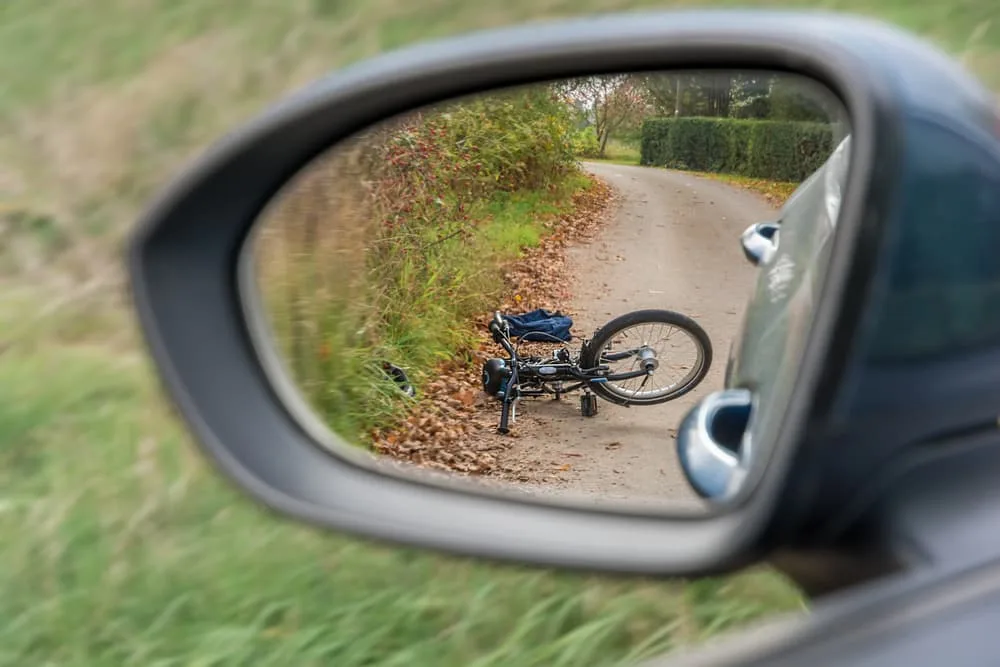
Sometimes, police are able to identify and locate the driver who fled the scene. While this may bring a sense of justice, it does not guarantee a simple path to compensation. Many drivers who flee do so because they are uninsured or do not have a valid license.
If the driver is found but has no liability insurance, your Uninsured Motorist coverage would still apply, just as it would if the driver had never been identified. The process remains largely the same: your claim is against your own policy to cover the damages caused by the uninsured at-fault driver.
Additional Avenues for Financial Recovery
While UM coverage is the main source of compensation in a hit-and-run, other resources may be available to help with your expenses. It is wise to explore all potential options to ensure your needs are met.
These additional sources might include:
- Medical Payments (MedPay) Coverage: This is an optional part of your auto insurance policy that covers medical expenses for you and your passengers, regardless of who was at fault. It has a set limit and can provide immediate funds for medical bills while your larger UM claim is pending.
- Your Health Insurance: You can use your personal health insurance to pay for medical treatments. Keep in mind that if you later receive a settlement from your UM claim, your health insurer may have a right to be reimbursed for the amounts it paid. This is a process called subrogation.
- Collision Coverage: If your vehicle was damaged, your own collision coverage can pay for repairs, though you will likely have to pay a deductible.
Exploring these avenues can provide a safety net, helping you manage costs while the details of your hit-and-run case are being addressed.
Steps to Protect Your Right to Compensation
What you do after a hit-and-run accident can significantly impact your ability to receive fair compensation. Once you are safe at home and have received initial medical care, it is important to take organized, thoughtful steps to build your claim. Whether the crash occurred on the hectic Capital Beltway near Tysons or a quiet neighborhood street in McLean, these actions are crucial.
- File a Police Report Immediately: Insurance companies require a police report to process a hit-and-run claim. Reporting the incident promptly creates an official record and shows the insurer that the event was serious and legitimate.
- Notify Your Insurance Company: Inform your insurer about the hit-and-run as soon as reasonably possible. Be clear that the other driver could not be identified.
- Document Everything: Keep a detailed file of all your medical records, bills, receipts for out-of-pocket costs, and pay stubs showing lost income. It can also be helpful to keep a journal detailing your pain levels and how the injuries affect your daily life.
- Follow Medical Advice: Attend all doctor’s appointments and follow through with prescribed treatments. This not only aids your physical recovery but also demonstrates the severity of your injuries for your claim.
These proactive measures can strengthen your position and make the claims process smoother.
FAQs: Who Pays for My Damages and Injuries in a Hit-and-Run Accident?
Here are answers to some common questions people have after being injured by a driver who left the scene.
If you were a pedestrian or bicyclist and have your own auto insurance policy, your UM coverage can still apply. If you do not own a vehicle but live with a relative who does, you may be covered under their policy.
Yes. Virginia has a statute of limitations, which is a strict deadline for filing a lawsuit. For personal injury claims, including those from a hit-and-run, you generally have two years from the date of the accident to file a lawsuit.
You need to prove that another unknown vehicle caused your injuries. Evidence can include the police report, photos of the scene and your vehicle, witness statements, and your own testimony. Physical contact is often, but not always, required.
Let Us Help You Seek Fair Compensation
Dealing with the consequences of a hit-and-run accident can feel isolating. You are trying to recover from your injuries while worrying about medical bills and lost paychecks. At Tysons Trial Law, PLLC, we understand the challenges you are facing. Our attorneys are dedicated to providing compassionate and determined advocacy for people in McLean and across Northern Virginia.
We are here to handle the legal details and communication with insurance companies so you can concentrate on what matters most—your health and your family. If you were injured in a hit-and-run, contact us at (703) 888-5535 or through our online form for a consultation and learn more about how we can help you pursue the justice and compensation you deserve.