

Choosing a Truck Accident Lawyer in Northern Virginia: What Should Guide Your Decision
Choosing the right lawyer after a commercial truck crash can shape every part of your claim, from what evidence gets preserved to how you answer blame from the trucking company. If you are comparing truck accident lawyers in Virginia, Tysons Trial Law, PLLC offers a trial-focused approach and direct attention from attorney Amy S. Griggs. Truck cases are not simply bigger car accident cases. They often involve federal safety rules, commercial insurance policies, corporate defendants, and Virginia’s strict contributory negligence rule.
If you or a family member was hurt in a truck crash on I-495, I-95, or near Tysons Corner, Tysons Trial Law, PLLC offers free consultations, and the firm works on contingency, so you pay no attorney’s fee unless the firm recovers money for you. Call (703) 888-5535 or contact us now to talk about your options.
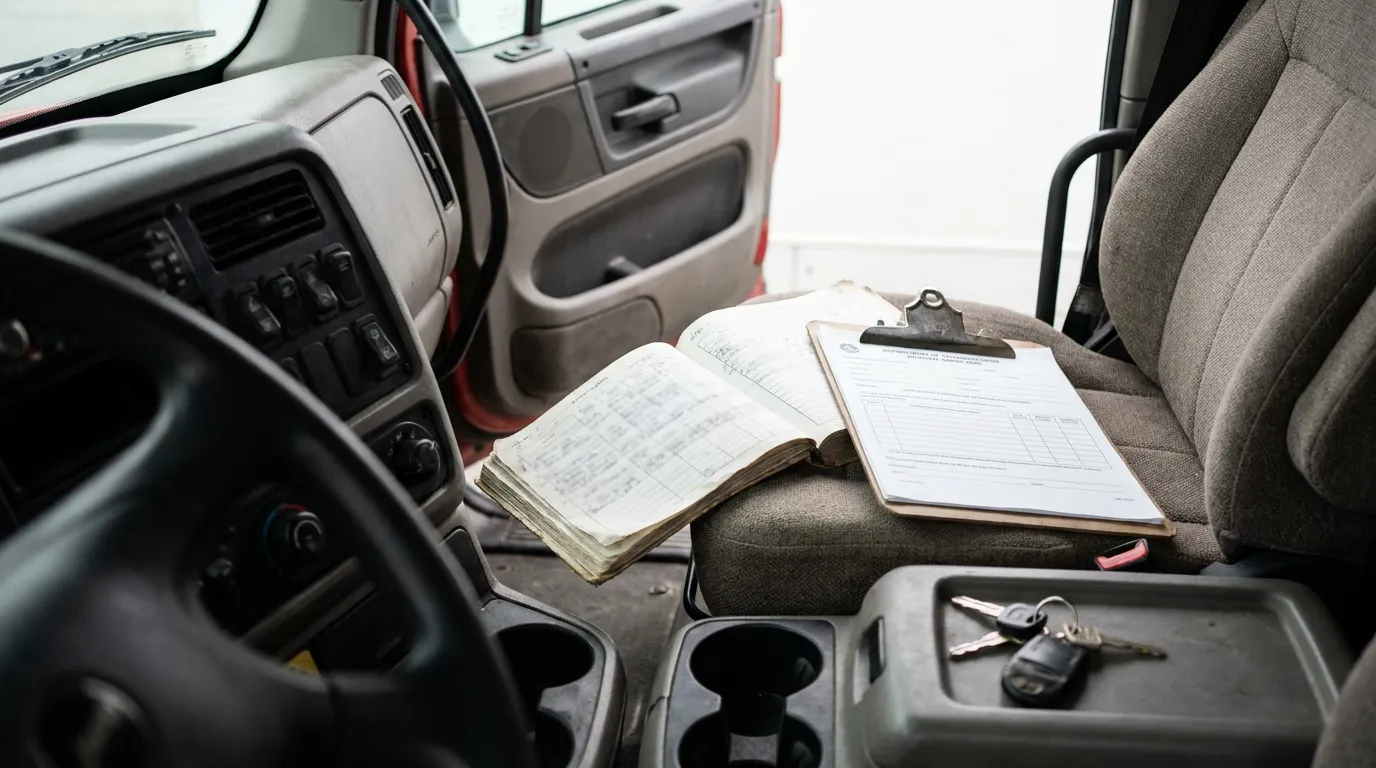
Why Truck Accident Claims in Virginia Demand More Than a Standard Injury Approach
Truck accident claims in Virginia often involve more parties, more evidence, and more legal risk than typical car accident claims. A single crash may involve the driver, the trucking company, a cargo loader, a maintenance provider, and a parts manufacturer, each with its own insurer and defense lawyers. A victim who handles that alone may face a team built to limit what the companies pay.
Federal Trucking Rules Can Shape Liability
Interstate commercial trucking is regulated by the Federal Motor Carrier Safety Administration (FMCSA), which sets rules for driver hours of service, vehicle inspection and maintenance, driver qualification, and carrier compliance. When a driver exceeds legal hour limits, or a carrier skips required inspections, those violations may serve as evidence of negligence. These rules apply to covered interstate carriers in every state, and Virginia has adopted many of them for intrastate carriers, with some differences. Proving a violation contributed to the crash generally requires driver logs, electronic logging device data, inspection reports, and employment files.
Much of that evidence is in the trucking company’s control, and some of it may be overwritten or thrown out if no one acts quickly. Prompt preservation demands can help protect black box data, dashcam footage, dispatch records, and maintenance histories. The firm’s truck accident work involves investigating crashes, gathering evidence, and pursuing claims, starting with securing what the defense may otherwise lose.
💡 Pro Tip: Write down the trucking company’s name, the truck’s USDOT number, and any trailer markings you or a witness noticed. These details can help identify every responsible party early.
Insurance Coverage Is Often Higher, and Harder to Reach
Virginia law sets minimum liability coverage for registered vehicles under Va. Code § 46.2-472. For policies issued or renewed on or after January 1, 2025, those minimums are generally $50,000 for injury or death of one person, $100,000 per accident, and $25,000 for property damage. Federal rules under 49 C.F.R. § 387.9 generally require for-hire interstate carriers hauling nonhazardous general freight in vehicles of 10,001 pounds or more to carry at least $750,000 in coverage, and some cargo types, such as certain hazardous materials, require more. Larger policies do not mean easier payouts. Commercial insurers often defend these claims hard, especially when injuries are catastrophic.
Virginia also changed its insurance rules recently. The option to pay an uninsured motor vehicle fee instead of buying insurance ended on July 1, 2024. Even so, claims may still involve uninsured or underinsured drivers, layered commercial policies, or disputes over which policy applies. Identifying every available source of coverage is key to pursuing full compensation.
Virginia’s Contributory Negligence Rule Raises the Stakes
Virginia follows contributory negligence, a common-law doctrine that can bar an injured person from recovering any damages if their own negligence contributed to the crash, even slightly. As Enjuris explains in its overview of Virginia car insurance laws, this standard is much stricter than the comparative fault systems used in most states. For truck accident victims, fault becomes the central battleground. Trucking insurers may argue that you changed lanes too quickly, braked suddenly, or lingered in a blind spot.
Courts may recognize limited exceptions, such as the last clear chance doctrine, but these depend heavily on the facts and are not applied automatically. The defense generally bears the burden of proving contributory negligence, but countering blame-shifting usually requires reconstruction evidence, witness statements, video, and truck data. The firm’s approach to litigation is meticulous and strategic, built on thorough research and a compelling presentation of the facts. In a contributory negligence state, that preparation can decide whether a claim survives at all.
💡 Pro Tip: Avoid giving a recorded statement to the trucking company’s insurer before speaking with a lawyer. Casual remarks can later be framed as admissions of fault.
Deadlines Can End a Claim Before It Starts
Under Va. Code § 8.01-243(A), most personal injury lawsuits in Virginia must be filed within two years after the cause of action accrues, which is generally the date of injury. Nolo’s guide to the Virginia statute of limitations notes that a court will very likely dismiss a case filed after the deadline unless an exception applies. Wrongful death claims generally must be filed within two years of the date of death under Va. Code § 8.01-244(B).
Some exceptions can pause, or toll, the deadline in limited circumstances. Under Va. Code § 8.01-229(A), the deadline may be tolled for injured minors until they turn 18, or for people who are legally incapacitated. Courts read these exceptions narrowly, so do not assume one applies to you. Claims against government entities may also carry separate written notice requirements under the Virginia Tort Claims Act or local notice statutes, often within six months to one year. Learn more about why you need a truck accident lawyer when timing and evidence are on the line.
💡 Pro Tip: Do not wait until the two-year mark approaches. Evidence like video footage and electronic truck data may disappear within weeks.
What the Firm’s Track Record Means for Your Case
A firm’s past results cannot predict the outcome of your case, but they can show how it handles serious, complex litigation. Under Amy Griggs’s leadership, Tysons Trial Law, PLLC has obtained significant settlements and verdicts in Virginia for people with severe injuries and for medical malpractice victims. The firm has also secured multimillion-dollar settlements and meaningful verdicts in a range of cases.
This history matters because truck accident cases share many traits with the high-stakes cases the firm has handled. They often involve catastrophic injuries, disputed causation, large insurers, and the need to prove long-term damages such as future medical care and lost earning capacity. A lawyer comfortable taking these cases to a verdict may be in a stronger position at the negotiating table. Every case depends on its own facts, and no lawyer can promise a particular result.
Why You Should Choose Tysons Trial Law, PLLC
Tysons Trial Law, PLLC is a women-owned personal injury trial firm in McLean that prepares cases for trial instead of running a high-volume settlement practice. Amy Griggs personally handles client matters, with support from a small team that includes two paralegals. You will not be passed through a crowded caseload.
Amy Griggs came to this work through her own family’s medical malpractice litigation, and that experience shapes how the firm treats clients. She knows what it feels like to be on the injured side of a lawsuit. The firm offers truck accident clients:
- Trial-ready preparation: Cases are built with the thorough research and fact presentation needed to go before a Northern Virginia jury if necessary.
- Recognition from respected sources: The firm displays badges from Best Lawyers, Best Law Firms (including a Regional Tier 1 badge), and Super Lawyers.
- Clear communication: An online client portal lets you exchange case updates, documents, and schedules with the firm.
- Local focus: The office in the Tysons area serves clients across McLean, Fairfax County, Arlington County, and Alexandria.
Client reviews often mention compassion, diligence, attention to detail, and a proactive approach. One reviewer described Amy Griggs as a good choice for complex lawsuits. You can learn more about the firm’s work as McLean truck accident lawyers, including jackknife, underride, rollover, blind-spot, and driver-fatigue cases.
💡 Pro Tip: Bring photos, medical records, the police report, and any letters from insurers to your free consultation. These materials help the firm give you a more useful assessment.
Frequently Asked Questions
Common Questions About Truck Accident Claims in Virginia
1. How long do I have to file a truck accident lawsuit in Virginia?
Generally, you have two years from the date of injury under Va. Code § 8.01-243(A). Wrongful death claims generally must be filed within two years of the date of death. Limited exceptions, such as tolling for minors under Va. Code § 8.01-229(A), may apply, but courts interpret them narrowly. Claims involving government vehicles may require written notice much earlier.
2. Can I recover damages if the trucking company says I was partly at fault?
Under Virginia’s contributory negligence doctrine, you may be barred from recovery if the defense proves your own negligence contributed to the crash, even slightly. Limited exceptions, such as last clear chance, may apply in some cases. That is why gathering evidence to counter blame-shifting matters so much.
3. Who can be held responsible for a truck accident?
Depending on the facts, responsible parties may include the driver, the trucking or delivery company, a cargo loader, a maintenance provider, or a vehicle or parts manufacturer. Identifying each party can open up additional insurance coverage.
4. Do federal trucking regulations apply to crashes in Virginia?
Generally, yes. FMCSA rules on hours of service, maintenance, and driver qualification apply to covered interstate commercial carriers in every state, and Virginia applies many similar rules to intrastate carriers. Violations may serve as evidence of negligence.
5. What does it cost to talk with Tysons Trial Law about my case?
Consultations are free. The firm works on contingency, which means no attorney’s fee unless the firm recovers money for you.
Taking the Next Step After a Northern Virginia Truck Crash
A truck accident claim in Virginia requires fast evidence preservation, a clear understanding of federal and state rules, and a strong answer to contributory negligence defenses. Tysons Trial Law, PLLC brings trial-focused preparation, recognized legal service, and personal attention from Amy Griggs to every case.
If you were injured in a truck crash in Northern Virginia, reach out to Tysons Trial Law, PLLC for a free consultation. Call (703) 888-5535 or schedule your free consultation today. You pay nothing unless the firm recovers money for you.
Disclaimer: This content is for informational purposes only and is not legal advice. Every case is unique, and results may vary. Consult an attorney about your specific circumstances.