

What Virginia Law Requires After a Crash
Key Takeaways: You do not always have to call the police after a car accident in Virginia, but the law often requires you to report the crash in some way. Under Va. Code § 46.2-894, a driver in a crash that causes death, injury, or damage to an attended vehicle or other attended property must stop right away, give identifying information to police or certain other people involved, and give reasonable help to anyone injured. If you damage unattended property and can’t find the owner, § 46.2-896 requires you to leave a note and send a written report to police within 24 hours. A driver whose injuries prevent reporting at the scene must still report as soon as reasonably possible. Under § 46.2-895, if the driver fails to stop and report, passengers 16 or older who know about the crash must report it within 24 hours.
In many Virginia accidents, the law requires drivers to report the crash, but calling the police is not always the only way to meet that duty. Under Va. Code § 46.2-894, a driver in a crash that kills or injures someone, or damages attended property, must stop right away and give their information to the police, the injured person, or certain other people at the scene. If no one is hurt, the damaged property is unattended, and the owner can’t be found, Va. Code § 46.2-896 requires a written report to police within 24 hours. These rules matter even more if you’re the person who got hurt, because reporting often creates the first official record of what happened.
If you were injured in a crash in McLean or anywhere in Fairfax County, you don’t have to work out your next steps alone. Tysons Trial Law, PLLC helps injured people understand their rights after a crash. Call (703) 888-5535 or contact us now to talk about your situation.
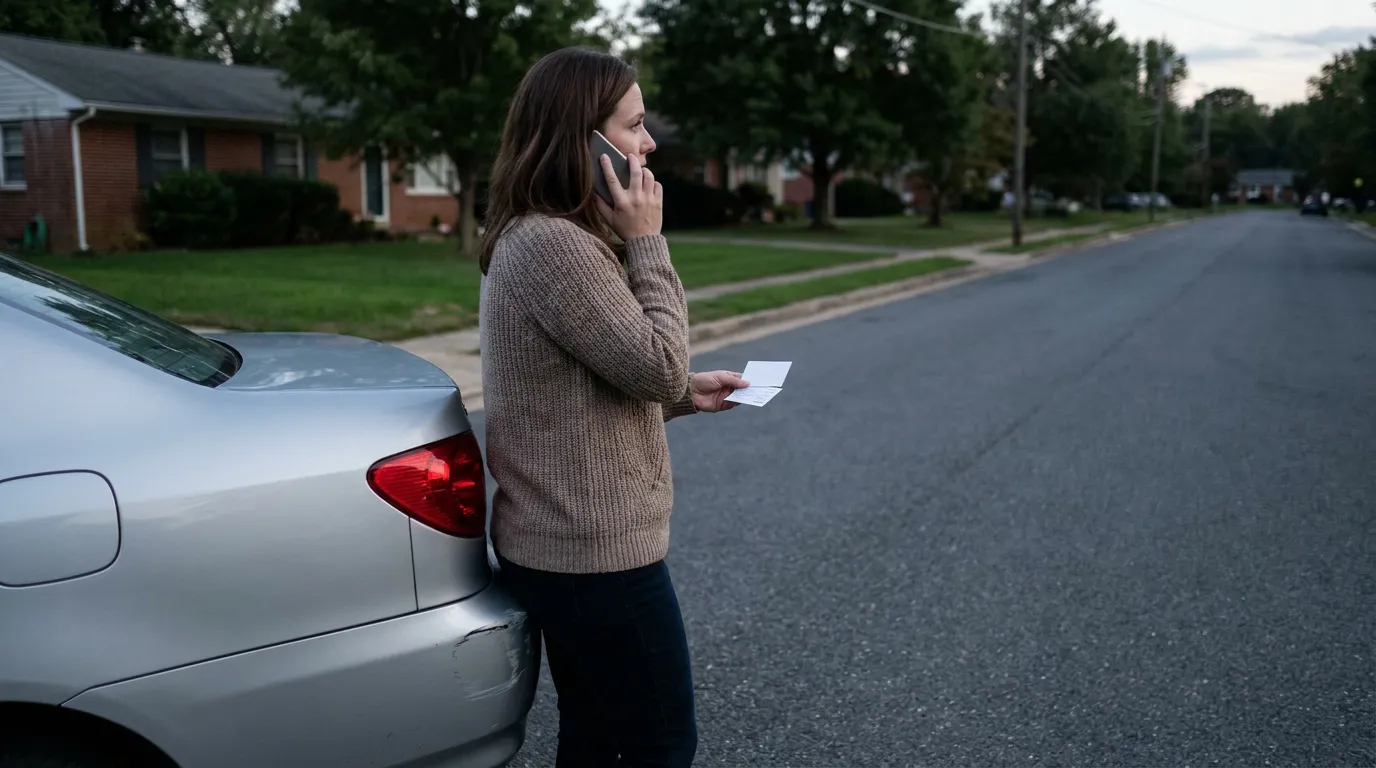
Understanding Virginia Accident Reporting Requirements
The main rules on reporting a car accident in Virginia come from Title 46.2 of the Code of Virginia. Three sections cover most cases: § 46.2-894 (the driver’s duty to stop and report), § 46.2-895 (certain passengers’ duty to report when the driver doesn’t), and § 46.2-896 (the duty when unattended property is damaged).
The Duty to Stop at the Scene
Under Va. Code 46.2-894, a driver must stop right away if a crash kills or injures someone or damages an attended vehicle or other attended property. The driver must stop "as close to the scene of the accident as possible without obstructing traffic." This duty applies no matter who caused the crash.
The Duty to Share Information
After stopping, the driver must give their name, address, driver’s license number, and vehicle registration number right away. The driver may give this information to any of several people:
- The State Police or the local police department
- The injured person, if that person seems able to understand and remember it
- The other driver, a passenger in the other vehicle, or the person in charge of the damaged property
Police are one of several people a driver can report to under § 46.2-894, not the only option. If you’re the victim, though, a police report can be strong evidence. An officer’s report may record witness names, road conditions, and statements made at the scene while memories are still fresh.
The Duty to Help Injured People
Section 46.2-894 also requires drivers to give reasonable help to anyone injured in the crash. That includes taking the injured person, or arranging for them to be taken, to a physician, surgeon, or hospital if they clearly need care or ask for it. If the other driver drove off without helping, that conduct may matter both in a criminal case and in your injury claim.
💡 Pro Tip: If you can, take a photo of the other driver’s license, registration, and insurance card at the scene.
When Virginia Requires a Written Police Report
Virginia law requires a written report to police when a driver damages unattended property and can’t find the owner. Under the unattended property statute, § 46.2-896, a driver who damages an unattended vehicle or property must first make a reasonable effort to find the owner or custodian. If the driver finds the owner, the driver must give them their name, address, driver’s license number, and vehicle registration number.
If the driver can’t find the owner, they must take two more steps. First, the driver must leave a note with their name and contact information in plain view at the scene. Second, the driver must report the accident in writing to the State Police or local police within 24 hours. The report must include the date, time, and place of the accident, a description of the damage, and the information required by § 46.2-894.
| Situation | Governing Statute | What the Driver Must Do |
|---|---|---|
| Death, injury, or damage to attended property | Va. Code § 46.2-894 | Stop right away, share identifying information, and help anyone injured |
| Driver is too injured to report at the scene | Va. Code § 46.2-894 | Report to police as soon as reasonably possible and make a reasonable effort to find the others involved |
| Driver fails to stop and report | Va. Code § 46.2-895 | Passengers 16 or older who know about the crash must report it to police within 24 hours |
| Unattended property damaged and owner not found | Va. Code § 46.2-896 | Leave a note in plain view and send a written report to police within 24 hours |
Exceptions and Special Situations
When the Driver Is Injured
If the driver’s own injuries keep them from reporting at the scene, the duty doesn’t go away. Under § 46.2-894, the driver must report to the State Police or local police "as soon as reasonably possible." The driver must also make a reasonable effort to find the other people involved and give them the required information. What counts as "reasonable" depends on the facts, including how serious the injuries were.
When Passengers Must Act
Under Va. Code § 46.2-895, passengers may have their own duty to report. If the driver doesn’t stop and report, every person age 16 or older in the vehicle who knows about the accident must report it within 24 hours. The report goes to the State Police, or to local police if the crash happened in a city or town. Under Va. Code § 46.2-900, failing to do so is a Class 1 misdemeanor if the accident caused only property damage, but it becomes a Class 6 felony if the accident resulted in injury or death to any person. A passenger’s report may help identify a driver who left.
💡 Pro Tip: If a driver hit you and left the scene, report it to police yourself as soon as you can. A prompt report may support your claim even if police never find the other driver.
Why Reporting Matters for Injured Victims
For people hurt in a crash, the reporting rules are about more than following the law. The record created right after a crash can become key evidence in an injury claim. Under Virginia negligence law, an injured person generally has to prove duty, breach, causation, and damages, and early records may help with each.
A police report and the information exchanged at the scene can help prove who was involved, how the crash happened, and whether anyone left the scene. If no report exists, an insurer may question whether the crash happened the way you describe. For a full checklist, review our guide on what to do after a car accident.
A driver who fails to stop and report may also face criminal charges under § 46.2-894. It is generally a Class 5 felony if the crash causes injury or death or at least $1,000 in property damage, and otherwise a Class 1 misdemeanor. A criminal case against the at-fault driver is separate from your civil claim for money damages, which can generally move forward on its own.
Common Problems After a Virginia Crash
Many injured people face practical problems in the hours and days after a crash. The other driver may give false information, push you to "handle it privately," or leave before police arrive. In other cases, injuries keep the victim from gathering any information at the scene.
Settling things informally at the scene can cause serious problems later. Injuries such as whiplash or concussions sometimes don’t show symptoms until hours or days later. If you agreed to skip a police report, you may have trouble proving the crash happened as you describe it. A Virginia accident reporting requirements lawyer can help you understand how Virginia law applies to your case and how to preserve the evidence you have.
Frequently Asked Questions
1. Do I have to call the police after every car accident in Virginia?
Not always. Under Va. Code § 46.2-894, drivers in crashes involving death, injury, or damage to attended property may give their information to police or to certain other people involved. Even so, calling police is often wise when someone is hurt, because the officer’s report creates an independent record.
2. What happens if I hit a parked car and can’t find the owner?
If no one is hurt, Va. Code § 46.2-896 requires you to make a reasonable effort to find the owner and, if you can’t, leave a note with your name and contact information in plain view. You must also report the accident in writing to the State Police or local police within 24 hours.
3. What if I was too injured to report the crash at the scene?
The duty still applies, but the timing changes. You must report to police as soon as reasonably possible and make a reasonable effort to find the others involved and give them your information.
4. Can a passenger be required to report an accident?
Yes, in some cases. If the driver doesn’t stop and report, Va. Code § 46.2-895 requires passengers 16 or older who know about the crash to report it to police within 24 hours.
5. Does the other driver’s failure to report help my injury claim?
It may be relevant, but it doesn’t decide your claim by itself. Leaving the scene or failing to report can be evidence in some cases, but you still need to prove negligence and damages under Virginia law. Virginia also follows contributory negligence, which can bar your recovery if you were even slightly at fault.
Protecting Your Rights From the Start
Virginia’s accident reporting rules help make sure injured people get help and that a reliable record exists. Drivers in crashes with injury, death, or damage to attended property must stop, share their information, and help anyone injured. In some cases, the law requires reports within 24 hours.
If you were hurt in a crash and have questions about your next steps, Tysons Trial Law, PLLC is here to help McLean and Fairfax County residents. Call (703) 888-5535 or schedule your consultation today to talk with our team.
Disclaimer: This content is for informational purposes only and is not legal advice. Every case is unique, and results may vary. Consult an attorney about your specific circumstances.