
You were in a wreck, but the other driver is trying to blame you for the crash. Under Virginia’s contributory negligence rule, even small mistakes can prevent compensation. When an injured person shares any fault at all, the claim may fail.
Many drivers first hear about Virginia contributory negligence in car accident cases after an insurance company claims they were partly responsible for the crash. Because Virginia follows a strict negligence rule, even small mistakes can sometimes prevent recovery.
However, Virginia law may still allow compensation when the evidence shows the other driver had the last clear opportunity to prevent the accident but failed to act.
The Virginia Last Clear Chance doctrine allows an injured person to recover compensation even if they were partly negligent. The rule applies if the other driver had the final opportunity to avoid the accident but failed to do so.
Contact an auto accident attorney near you for a free consultation. They can explain your rights and options for obtaining compensation and advocate for the full amount you need.
Key Takeaways: Virginia Last Clear Chance Rules Provide a Path to Recovery After Disputed Accidents
- Virginia’s contributory negligence rule can prevent compensation if an injured driver shares even 1 percent of the fault.
- The Last Clear Chance doctrine allows recovery when the other driver had the final opportunity to avoid the crash but failed to act.
- Courts require proof that the defendant recognized or should have recognized the injured person’s danger.
- Evidence gathered soon after the car crash often determines whether the doctrine applies.
- Careful legal analysis helps determine whether this exception may override a contributory negligence defense.
What Is Virginia’s Contributory Negligence Rule and Why Does It Matter?
Virginia follows one of the strictest negligence systems in the country, where courts apply a pure contributory negligence rule. Even minor driver behavior often becomes the focus of accident litigation. If the injured driver shares any fault, recovery may be barred completely.
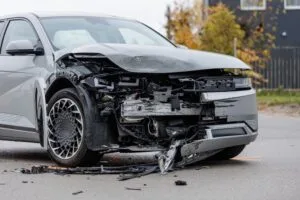
Virginia follows what many people call the “1 percent rule,” meaning that if an injured driver is even 1 percent responsible for a crash, they may be barred from recovering compensation.
Because of this rule, insurance companies carefully examine every detail of the accident.
For example, the defense might argue that a driver accelerated slightly while entering Route 123 or failed to signal before changing lanes. If a jury decides that conduct contributed to the crash, compensation may disappear entirely.
This strict rule explains why accident investigations in Virginia focus closely on driver behavior.
Why Virginia Still Uses Pure Contributory Negligence
Virginia remains one of the few states that still applies the pure contributory negligence, or the so-called 1 percent rule, in car accident cases.
Most states have moved to a comparative negligence system, which allows courts to divide responsibility between drivers. In those states, an injured person can usually recover damages reduced by their percentage of fault. For example, a driver who is 20 percent responsible for a crash may still recover 80 percent of their damages.
Virginia law takes a different approach with its contributory negligence rule.
Supporters of this system argue that it encourages drivers to exercise a higher level of care on the road. Critics, however, say the rule can produce harsh results when minor driver behavior becomes the focus of litigation.
Because Virginia continues to follow this strict negligence standard, legal doctrines like the Last Clear Chance rule become especially important.
These contributory negligence exceptions sometimes allow injured people to recover compensation when another driver had the final opportunity to prevent the collision but failed to act.
What Is the Last Clear Chance Doctrine in Virginia?
The 1 percent rule doesn’t always mean you cannot recover damages if you were injured in a car accident. Virginia courts recognize the Last Clear Chance doctrine as a narrow exception to contributory negligence.
When certain legal elements exist, an injured person may still recover damages even after earlier negligent conduct.
The Legal Origins of Last Clear Chance in Virginia
Virginia appellate courts developed the doctrine through case decisions.
Judges recognized that fairness sometimes required liability when one party clearly had the final opportunity to prevent injury but failed to act.
The rule focuses on the final moments leading up to the crash.
How Last Clear Chance Overrides the Contributory Negligence Defense
This doctrine does not erase earlier negligence. Instead, it shifts responsibility when the defendant had a clear chance to stop the accident after recognizing the danger. If the defendant failed to act during that final opportunity, car accident liability may still apply.
The Core Principle: Who Had the Final Opportunity to Prevent the Accident?
Courts examine who had the last clear opportunity to avoid the collision. Consider a driver who stops suddenly while searching for an address along Old Dominion Drive. Another driver approaches while distracted and strikes the stopped vehicle. Even if the first driver contributed to the risk, the second driver may still bear responsibility if enough time existed to react.
What Are the Legal Elements Required to Prove Last Clear Chance in Virginia?
Courts require proof of several legal elements before applying the doctrine. Each element must connect clearly to the facts of the accident.
The Plaintiff Must Have Been in a Position of Peril
The injured person must have been in a dangerous situation and unable to escape harm. Examples include stalled vehicles in traffic or pedestrians trapped between lanes of moving cars.
The Defendant Must Have Known (or Should Have Known) of That Peril
Courts examine whether the defendant recognized the danger or reasonably should have seen it. A driver approaching a visible obstacle in daylight typically should notice the risk in time to react.
The Defendant Must Have Had a Reasonable Opportunity to Avoid the Collision
Timing plays a major role. If the defendant had several seconds to brake, steer away, or slow down, the court may determine that a clear opportunity existed.
The Defendant’s Failure to Act Must Be the Proximate Cause of the Injury
Finally, the defendant’s failure to respond must directly cause the crash. If a driver had time to stop but continued forward without braking, that conduct may become the legal cause of the injury.
How Virginia Courts Have Interpreted the Last Clear Chance Doctrine
Virginia courts have refined the doctrine through decades of decisions. These rulings help define when the rule applies and when it does not.
The Distinction Between Actual Knowledge and Constructive Knowledge of Peril
Courts recognize two types of awareness:
- Actual knowledge means the defendant saw the danger.
- Constructive knowledge exists when a reasonable driver should have recognized it.
For example, a driver approaching a disabled vehicle with hazard lights should notice the situation even if they claim otherwise.
When Virginia Courts Have Rejected Last Clear Chance Arguments
Courts often reject the doctrine when both drivers still had the ability to avoid the crash.If neither party had a clear final opportunity to act, contributory negligence usually controls the case.
Does Last Clear Chance Apply to Your Car Accident Case?
Not every accident qualifies for the Last Clear Chance doctrine.
Certain types of car collisions raise the issue more often than others.
Scenarios Where Last Clear Chance Is Most Likely to Apply
Common examples include:
- A driver striking a stalled vehicle visible from a long distance.
- A pedestrian standing in the roadway while a driver approaches with time to stop.
- A motorist running a red light after seeing another vehicle already entering the intersection.
Each scenario involves a driver who still had time to prevent harm.
Scenarios Where the Doctrine May Not Be Available
The doctrine may not apply when both drivers act at nearly the same moment. For example, two vehicles might enter an intersection simultaneously with little time to react.
How the Facts of the Crash Determine Whether the Doctrine Can Be Raised
Every accident requires a careful review of the evidence.
Investigators study road design, traffic patterns, weather conditions, and driver actions. Busy McLean intersections, such as Dolley Madison Boulevard near Old Dominion Drive, often require detailed reconstruction to determine whether a final opportunity to avoid the crash existed.
What Evidence Do You Need to Support a Last Clear Chance Argument?
Evidence often determines whether the doctrine can be applied.
Early investigation helps preserve critical information.
Traffic Camera Footage, Dashcam Video, and Eyewitness Testimony
Video recordings sometimes reveal exactly how events unfolded.
Traffic cameras, dashcams, and witness accounts help establish timing and driver behavior in the moments before the crash.
Expert Accident Reconstruction and What It Reveals About Reaction Time
Accident reconstruction specialists analyze skid marks, vehicle damage, and roadway measurements.
Their analysis often estimates how long a driver had to brake or steer away from danger.
Black Box Data, Cell Phone Records, and Driver Behavior Evidence
Modern vehicles store electronic data showing speed, braking, and steering inputs.
Cell phone records may also reveal whether a driver was distracted before impact. Injured drivers sometimes receive follow-up treatment at facilities such as Inova Urgent Care in McLean while recovering from these incidents.
Why Evidence Must Be Preserved Immediately After the Accident
Important evidence may disappear quickly.
Video recordings may be overwritten within days, and witnesses may forget key details. Early investigation helps protect the information needed to evaluate a Last Clear Chance argument.
How Is Last Clear Chance Different from Comparative Fault?
Many people confuse the doctrine with comparative fault systems used in other states.
Virginia law treats these concepts differently.
Virginia Does Not Follow the Comparative Fault System Used by Most States
Comparative fault allows courts to divide responsibility between drivers.
In those states, injured people may still receive compensation reduced by their percentage of fault. Virginia does not follow this approach.
Why Last Clear Chance Is Not the Same as Splitting Blame Between Drivers
Last Clear Chance does not divide responsibility. Instead, it focuses on which driver had the final opportunity to prevent the crash.
Understanding the All-or-Nothing Nature of Virginia Accident Claims
Virginia accident cases often produce an all-or-nothing result. Either the injured person receives compensation, or the claim fails. The Last Clear Chance doctrine sometimes becomes the deciding factor.
How Can a Virginia Personal Injury Attorney Help You Invoke Last Clear Chance?
Applying this doctrine requires careful legal analysis and detailed evidence. Experienced legal representation often plays a key role in presenting the argument effectively.
Evaluating Whether the Doctrine Applies to Your Specific Accident
Attorneys examine police reports, witness statements, and roadway conditions. This evaluation helps determine whether the defendant had a final opportunity to avoid the collision.
Building the Evidentiary Record to Support Your Claim
Legal teams gather video footage, accident data, and expert analysis to connect each legal element to the facts of the crash.
Anticipating and Countering the Defense’s Contributory Negligence Argument
Insurance companies frequently claim that the injured driver caused the accident. A knowledgeable attorney evaluates those claims and presents evidence showing how the defendant still had the final chance to prevent harm.
Presenting the Last Clear Chance Theory Persuasively to a Jury or Insurer
Clear explanations often influence the outcome of a claim. Attorneys present a timeline showing how the accident unfolded and why the defendant’s inaction caused the injury.
Why Choose Our Firm
Tysons Trial Law, PLLC represents injured drivers throughout McLean and Northern Virginia. Our team focuses on thorough investigation and careful case preparation when accidents involve disputed fault.
Insurance companies sometimes claim that a small mistake eliminates your claim under Virginia law. Our attorneys review the evidence closely to determine whether the Last Clear Chance doctrine may apply.
We gather accident data quickly, preserve evidence, and build a clear narrative explaining what occurred. This preparation helps us advocate for our clients during car accident settlement negotiations or courtroom proceedings.
Many people contact our firm after hearing that their case has no value because they were partly at fault. Our team evaluates the details carefully and determines whether another legal path may exist.
Frequently Asked Questions About Virginia’s Contributory Negligence Rule
Possibly. Courts examine whether the other driver still had a clear opportunity to avoid the collision after recognizing the danger. The specific facts of the crash determine whether the doctrine applies.
Yes. Courts sometimes apply the doctrine when a driver sees a pedestrian in the roadway but fails to stop or change direction even though time existed to avoid the collision.
Usually not. The doctrine focuses on the driver who had the final clear opportunity to prevent the accident. If both drivers retained the ability to avoid the crash, contributory negligence may control the outcome.
Virginia generally allows two years from the date of the accident to file a personal injury lawsuit. Acting sooner helps preserve evidence and strengthen the claim.
Attorneys often raise the doctrine during negotiations with insurance companies. A strong evidentiary record may influence settlement discussions before a case reaches trial.
Contact Our Car Accident Attorneys in McLean Now

Insurance companies often deny injury claims when they believe contributory negligence applies. Virginia’s strict legal rules make skilled legal guidance especially valuable after a serious accident.
Tysons Trial Law, PLLC provides focused representation for injured drivers in McLean and nearby communities. Our attorneys evaluate the evidence, determine whether the Last Clear Chance doctrine applies, and build a strategy designed to protect your interests.
Reach out today to request a free consultation. Our attorneys are ready to listen, review your case, and help you pursue the compensation you deserve.